

A sudden storm, the power goes out, and you hear water trickling into the sump pit – will your backup keep your basement dry? This is a nightmare scenario for homeowners with basements: without power, your sump pump can’t do its job, and flooding can occur within minutes. One solution more folks are turning to is a portable power station as a backup power source for sump pumps. These battery-powered units (essentially big rechargeable generators) can kick in during outages to keep that critical pump running. In this article, we review the best portable power stations for powering a sump pump, especially during emergencies. We’ll consider units with the right surge capacity (because sump pumps have a big startup power draw) and enough battery to last through a prolonged outage. With the right power station, you can have peace of mind that even if the grid fails, your basement won’t become an indoor pool.
| Product Name | Image | Check Amazon Price and Reviews |
|---|---|---|
| EcoFlow Delta 2 Max |  | |
| BLUETTI AC300 + B300 | 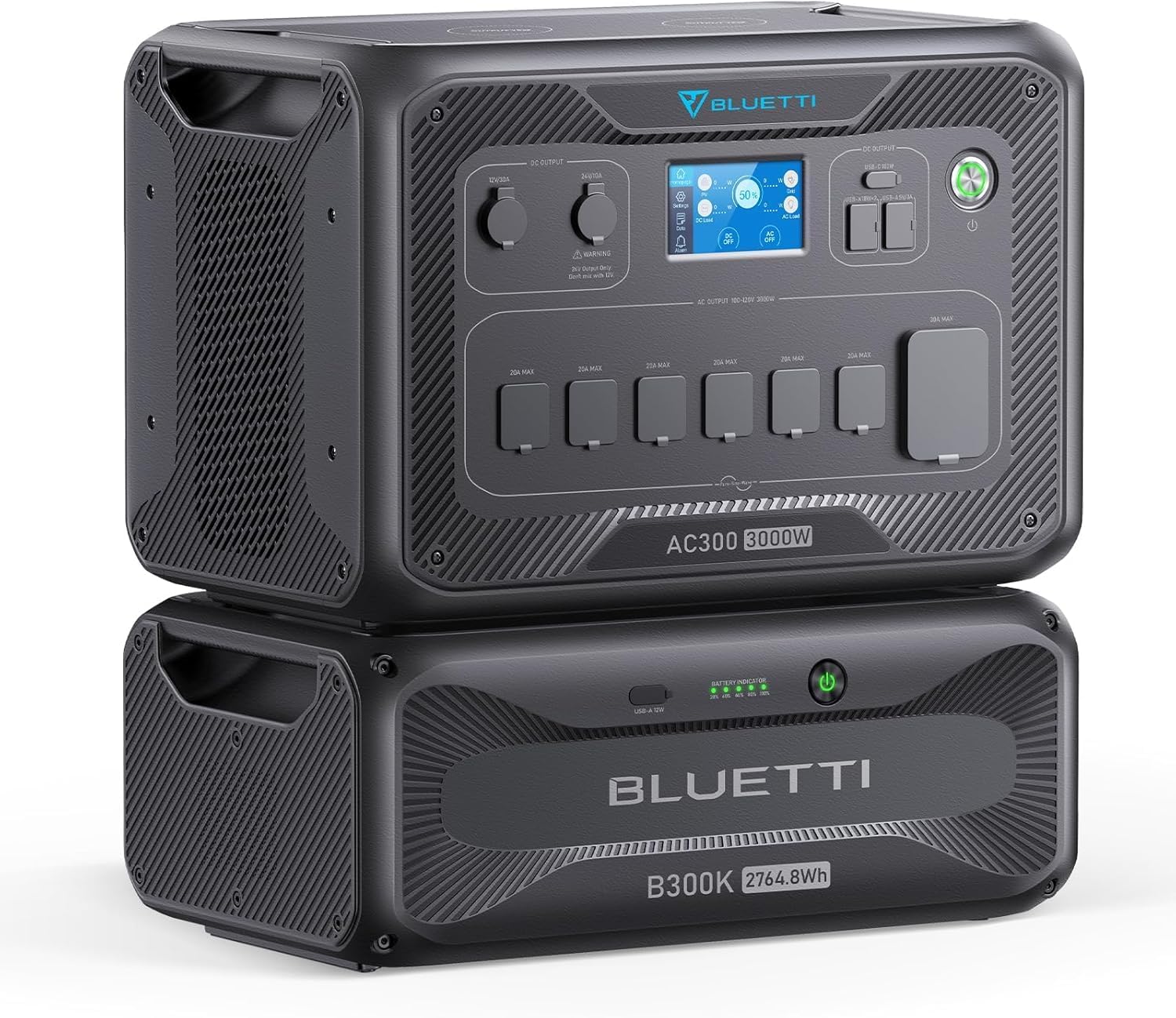 | |
| Jackery Explorer 1000 Pro |  | |
| OUPES Mega 2 (2048Wh) | 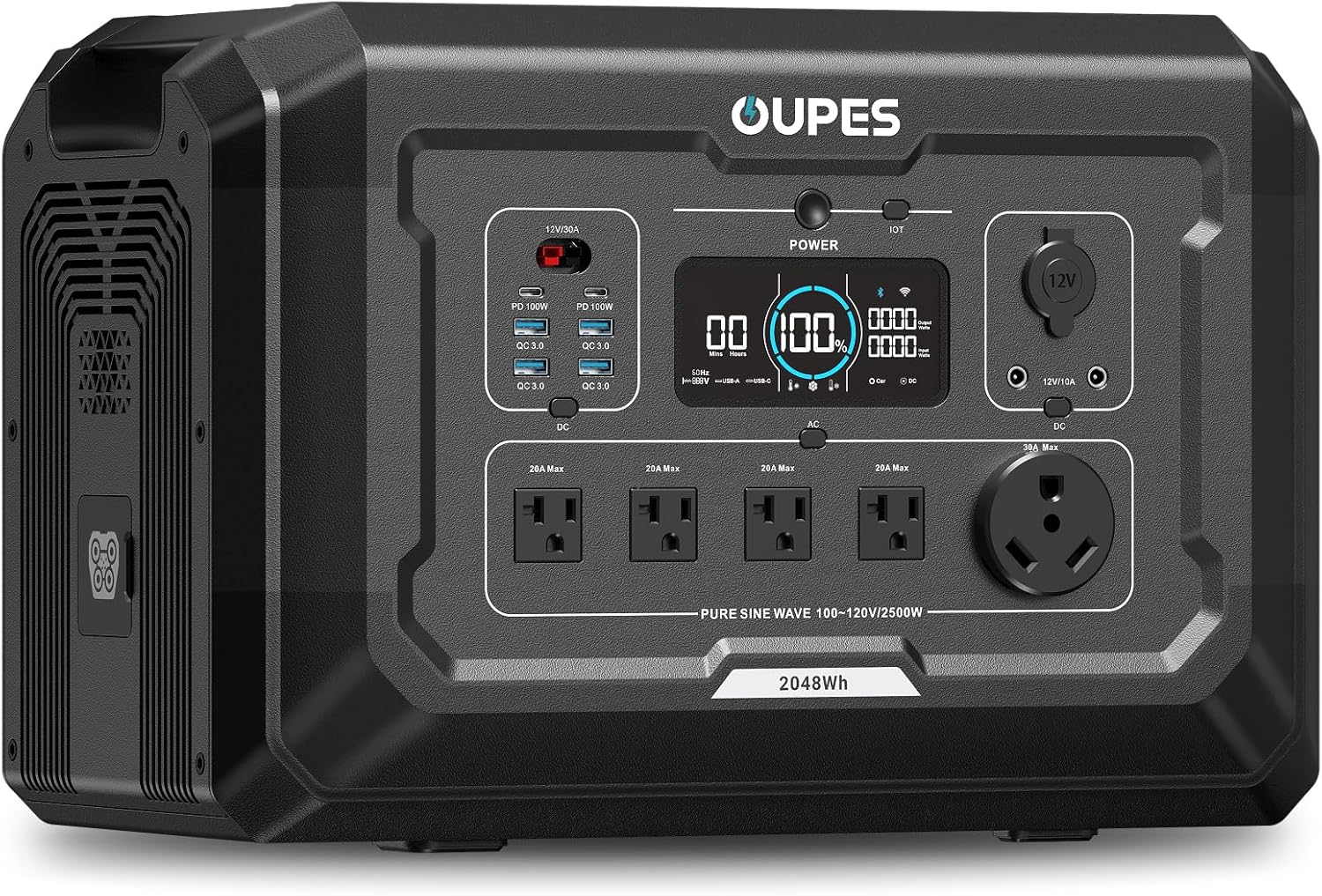 | |
| Goal Zero Yeti 1500X |  |
Why Portable Power for Sump Pumps?
Traditional sump pump backups often use 12V marine batteries and inverters or specialized battery backup pump systems. Those work, but portable power stations offer a clean, multi-use alternative. They are indoor-safe (no fumes), require less DIY setup, and you can use them for other purposes (running appliances, charging devices) when not needed for the pump. However, not all power stations are up to the task – sump pumps can be sneaky energy hogs at startup. A typical third-horsepower sump pump might run at 700-900W but surge to 1500-2000W when it kicks on. Some bigger pumps (1/2 HP) can surge to 3000-4000W momentarily. So we need power stations that can handle those surges and provide enough wattage continuously.
Equally important is battery capacity – how long can it run the pump? If you often get multi-hour outages during storms, you want a larger battery or the ability to recharge (perhaps via solar or generator input) between rain episodes. Remember, a sump pump doesn’t run constantly; it cycles based on water level. During heavy rain, it might run every minute or two, but each cycle might only be 10-30 seconds. That intermittent use means even a modest battery can last through many pump cycles if the draw is manageable.
Let’s dive into the top contenders:
Contents
- 1 EcoFlow Delta 2 Max – High Surge Capacity for Big Pumps
- 2 BLUETTI AC300 + B300 – Modular Backup for Extended Outages
- 3 Jackery Explorer 1000 Pro – Portable and Capable for Smaller Sump Pumps
- 4 OUPES Mega 2 (2048Wh) – Affordable High-Power Option
- 5 Goal Zero Yeti 1500X – Trusted Name in Backup Power
- 6 Final Tips for Using a Power Station with Your Sump Pump
EcoFlow Delta 2 Max – High Surge Capacity for Big Pumps


The EcoFlow Delta 2 Max is a new-generation power station that shines in sump pump duty. It offers 2400W continuous output and a massive 5000W surge handling. That means even a beefy 1/2 HP pump that needs 2100W to start will be fine on this. It has a 2048Wh LFP battery (LiFePO4 chemistry), which is great for longevity and performance. With roughly 2 kWh, how long could it run a sump? Let’s imagine a scenario: a 1/3 HP pump (~800W running) that runs 25% of the time during a storm (15 seconds each minute). That’s an average of 200W load. 2048Wh / 200W = ~10 hours of runtime. Real-world, maybe 8 hours factoring some inefficiency – still a substantial chunk of time to cover an outage.
Users also appreciate the Delta 2 Max for its fast recharging (it can charge from AC in about 80 minutes 0-100%, or directly from solar up to 1000W input if you have panels ready). That means if the outage is prolonged, you could recharge it with a generator or solar between storm bands. It also features app connectivity, so you can see, for instance, how many hours of power remain at the current load – very handy to gauge during use.
Key features:
- 2400W output (5000W surge): Handles high startup currents of sump pumps easily.
- 2048Wh LiFePO4 battery: Long cycle life and deep discharge capable; provides long runtimes and can be expanded with extra battery packs if needed.
- Rapid AC/Solar Recharge: Minimize downtime between uses – can refill the battery fast if power returns briefly or using a generator/solar in daylight.
- UPS Functionality: Can serve as an uninterruptible power supply, meaning you could leave it plugged in and your pump plugged into it; if power fails, it switches in near-instantly (under 30ms). This makes it seamless backup – no manual intervention needed.
- Durability: LFP batteries and robust build allow it to perform reliably even if it’s stored in a damp basement (it’s not waterproof though – keep it dry!).
BLUETTI AC300 + B300 – Modular Backup for Extended Outages


For a more permanent backup solution, the BLUETTI AC300 paired with a B300 battery module is a powerful combo. The AC300 head unit provides 3000W output (with 6000W surge), which is more than enough for any residential sump pump. The B300 battery is 3072Wh – a hefty capacity that can keep pumps running through long blackouts. If one battery isn’t enough, you can actually add more B300 packs (up to 4 total on one AC300) to scale up to multi-day protection. It’s essentially a whole-house battery system, but I include it here because some homeowners will want that level of protection.
With one 3072Wh battery, let’s estimate: for a medium cycling pump (approx 200W average as before), you could get 12-15 hours of runtime, maybe even more if the pump cycles off as rain eases. A larger 1/2 HP pump that might draw more like 400W average (if more frequent) would still get ~7-8 hours on that battery. If you hook up two batteries (6144Wh), double those times.
One of the selling points for BLUETTI AC300 in this role is its seamless integration. Much like the EcoFlow, it can function as a UPS. Bluetti also has a companion device (the Smart Home Panel) that can wire in to automatically power dedicated circuits when the grid goes down. You could have your sump pump on such a circuit so it auto-feeds from the battery when needed. This is a bit more installation, but it gives a very clean backup setup (like a Tesla Powerwall concept).
Key features:
- 3000W/6000W Surge Inverter: Overkill capacity ensures even multiple pumps or other loads can run concurrently; no worries about surge at all.
- 3072Wh Modular Battery (LiFePO4): Huge capacity, with option to expand – great for long outages or if you have multiple sump pits or other emergency loads (fridge, etc.) to cover.
- Solar + AC Charging: Can input up to 2400W of solar or combine AC + solar. If an outage lasts days, you could recharge via solar panels during daylight and keep the system running.
- Long Life LFP Chemistry: Can handle thousands of cycles, so even if you discharge it monthly during storm season, it will last many years. Also safe and stable (less fire risk, a plus in a home setting).
- Flexible Deployment: Because it’s modular, you could place the battery unit a bit away from any potential water (keep it off the basement floor), and the AC300 unit high as well. Always consider placing electronics above potential flood level – maybe on a shelf or mounted to wall.
Jackery Explorer 1000 Pro – Portable and Capable for Smaller Sump Pumps


Not everyone has a massive sump pump or huge budget. If you have a smaller 1/4 HP sump pump (which might run ~500W and surge maybe ~1000W), a mid-range unit like the Jackery Explorer 1000 Pro can do the job in shorter outages. The inverter on this Jackery provides 1000W continuous and 2000W peak. That’s just enough for a small pump’s startup (would not reliably start a 1/2 HP pump that needs 2000W+ surge). Its battery is about 1002Wh. Realistically, that size battery could run a 500W pump for about 1.5 hours continuous, but in sump duty, continuous isn’t the case – it would likely last several hours through many pump cycles.
For example, if your sump triggers for 10 seconds every 2 minutes (fairly active), that’s 5 cycles per 10 minutes, or 30 cycles/hour. If each cycle consumes ~0.00278 kWh (500W for 10s), that’s ~0.083 kWh per hour. With 1002Wh, ignoring some inefficiency, in theory it could sustain ~12 hours of that pattern (1002/83 ≈ 12). In practice maybe 8-10 hours allowing inefficiencies and heavier bursts if water flow increases. That’s decent for a mid-sized battery!
The 1000 Pro is extremely portable (around 25 lbs) and easy to use – just plug the sump pump into its AC outlet when the power goes out (or use an automatic transfer switch if set up). It also recharges pretty fast (around 1.8 hours on AC, or can take solar up to 800W). If you keep one of these charged and on hand, it’s a great emergency tool not only for the sump but also for keeping your phone, lights, and fridge running for a bit during outages. Versatility is a plus – when it’s not storm season, you can use it camping or for other backup needs.
Key features:
- 1000W/2000W Inverter: Suitable for small sump pumps up to around 1/3 HP. Pure sine wave output for safe motor operation.
- 1002Wh Battery (NMC Lithium): Solid capacity in a compact unit; will run intermittent pump cycles for many hours.
- Lightweight and Portable: Easy to deploy in an emergency – no heavy lifting gear needed. You can store it on a shelf and grab it when needed.
- Quick Recharge & Solar-Friendly: Can recharge from wall in under 2 hours, or hook up a couple of solar panels (supports ~800W solar) to top up during daylight if the outage continues.
- Reliable Brand & Safety: Jackery has built-in battery management for overload, overheat protection. It’s a well-known brand so customer support and warranty are established. Also, it’s silent and emission-free, so you can run it next to your sump pit without worry (unlike a gas generator which must stay outside).
OUPES Mega 2 (2048Wh) – Affordable High-Power Option


One of the newer players in the market, OUPES, offers the Mega 2 Portable Power Station which provides a nice blend of capacity and output at a value price. The Mega 2 has a 2048Wh LFP battery and a 2500W pure sine inverter with 5000W surge. Those specs are directly in line with what we want for sump pumps: plenty of surge overhead (supports up to 40A surge current, as their marketing notes, which covers 1.5 HP easy) and a sizable battery for runtime.
With 2 kWh of energy, it’s similar to the EcoFlow Delta Max class in terms of how long it can run things. For most single sump pump setups, this means easily covering 6-10 hours of active pumping, which is enough for many power outages. The nice part is OUPES tends to price these lower than big brand names, so you might get more watt-hours per dollar. The trade-off can be less fancy app integration or slower support, but core functionality is there.
OUPES Mega 2 also allows solar charging (up to 500W or so input). If you have a blackout that lasts more than a day, a couple solar panels could refuel this unit to keep the pump running indefinitely by day and battery by night.
Key features:
- 2500W Output (5000W Surge): High capacity inverter can handle strong pump motor surges without tripping. Good for up to 3/4 HP pumps or even multiple smaller pumps.
- 2048Wh LiFePO4 Battery: Healthy capacity and long life cycles, making it reliable for an emergency device that might sit unused for months – LFP holds charge well and doesn’t mind sitting partial charge.
- Budget-Friendly Large Unit: Generally more economical than similar-specced big brands, which is appealing if you primarily need it as an insurance policy for your basement.
- Multiple AC Outlets & 12V Outputs: You could power your sump and perhaps a dehumidifier or some fans simultaneously if needed, as long as total load stays under the limit. It’s got the ports to do it.
- LCD Display and Alarms: The unit shows input/output watts and battery % on a screen, so you can actively see how much power the sump is drawing and estimate how many hours you have left at that load. Some units also have an alarm or notification when battery is low (handy to warn you if you’re running out during an extended use).
Goal Zero Yeti 1500X – Trusted Name in Backup Power


Rounding out our list is the Goal Zero Yeti 1500X. This model has 1516Wh of battery and a 2000W (3500W surge) inverter. It’s a step down in capacity from some others here, but Goal Zero has a solid reputation and a robust design that some homeowners prefer. The 1500X can comfortably start up a typical sump pump (surge up to 3500W covers most 1/2 HP scenarios). The battery, being ~1.5 kWh, would give you on the order of 4-8 hours of pumping time depending on the load frequency.
One standout feature of the Yeti is the WiFi app connectivity. You can place the Yeti in your basement and monitor its status from your phone – see battery level, turn outputs on/off, etc. Imagine during an outage, you could be upstairs and quickly check “basement backup battery at 60%, pump has drawn X power.” It adds peace of mind. Also, Goal Zero has a Home Integration Kit accessory that allows easy hookup to circuits – e.g., you can have an inlet to connect the Yeti to your home’s sump pump circuit with a transfer switch. That way, when power goes out, you just connect the Yeti and flip the switch to power the pump’s circuit.
The Yeti 1500X uses an NMC battery, so cycle life is a few hundred (not as high as LFP chemistries), but for occasional sump backup use, that’s fine. Just keep it topped off (Goal Zero’s can be stored plugged in and acting as UPS too). It weighs about 45 lbs – manageable and with a nice handle design.
Key features:
- 2000W/3500W Inverter: Reliable pure sine wave output that’s enough for most sump pump needs, albeit not much extra beyond the pump and maybe one other small device.
- 1516Wh Battery: Middle-of-the-pack capacity; enough for moderate outages. Can be augmented with Goal Zero’s lead-acid “Tank” expansions if desired, or just conserved by only powering the sump.
- Smart Monitoring: WiFi-enabled with Yeti App for remote monitoring – a big plus if your sump is in a crawlspace or you want to keep an eye on things from work or so.
- Modular Ecosystem: Works with Yeti accessories like the Home Integration Kit (to wire into home circuits), external batteries, and different charging options. Very flexible for those who like a system approach.
- Durable Build: The Yeti has a tough exterior, well-engineered cooling, and a proven track record. Many people have these for camping and emergency power and they hold up well over years. In a potentially damp basement, durability and quality components (and things like GFCI protection on outlets) are reassuring.
Final Tips for Using a Power Station with Your Sump Pump
Before we wrap up, a few quick tips to ensure success: – Test It! Don’t wait for a crisis. When you get your power station, test run your sump pump on it. Fill the sump pit manually (with a hose or bucket) to trigger the pump while it’s on battery. Ensure everything works and the inverter doesn’t overload. This will give you confidence and also a sense of how much battery one pump cycle uses. – Keep It Charged: It sounds obvious, but a power station won’t help if it’s sitting there empty. Many units can safely be kept plugged in (they’ll maintain at 100% or float). Alternatively, set a calendar reminder to check it monthly or before big storms. Some smart units you can even check via app remotely. – Placement: Store the power station high, dry, and accessible. Don’t put it on the floor next to the sump pit – if flooding does happen beyond the pump’s capacity, you don’t want your backup sitting in water. A shelf or mounted bracket is ideal. Also, cooler temperatures (above freezing and below hot) will help the battery last longer over the years. – Consider Load Management: If you’re really in a long outage, you might decide to unplug the pump from the battery once rain stops, etc., to conserve power. If things are calm, give the power station a break or charge it with any available source. – Know the Alarm Signs: Some pumps have alarms or lights when not powered, but if not, be aware if the power station shuts off (battery dead) – you’ll need an alternative plan at that point (manual generator or bail by hand). Some power stations beep at low battery – that could alert you. – Maintenance: Unlike a generator, these don’t need oil changes, but do exercise the battery. Every 3-6 months do a partial discharge and recharge to keep the battery healthy. LFP units are less prone to degrade, but it’s still good practice. For NMC units, definitely keep them from sitting at 0% or 100% for long periods; a float at 80-90% might extend their life if stored that way.
Investing in a power station for your sump pump is an investment in protecting your property. It’s hard to put a price on the peace of mind knowing that when the lights go out, your basement won’t flood. The models reviewed above range from high-end, whole-house style solutions to more budget-friendly portable units. All have their merits – the best one for you depends on your pump’s power needs and how long/offen you need to cover outages. With one of these in place, you can watch the storm rage outside, hear the sump pump cycling away, and stay comfortably confident that water is staying out of your basement, where it belongs.