

Looking for a bit more power without breaking the bank? In the sub-$200 range, you can find some solid “middle ground” portable power stations that offer higher capacity and output than the ultra-budget models, yet still come in at an affordable price. These picks often feature around 150-300Wh batteries, improved inverter output (200W-300W), and sometimes even premium battery chemistry like LiFePO4. They’re great for camping, emergency backup of small appliances, and as an introduction to the convenience of portable power. Let’s dive into the best portable power stations under $200 and see what they offer.
| Product Name | Image | Check Amazon Price and Reviews |
|---|---|---|
| BLUETTI EB3A | 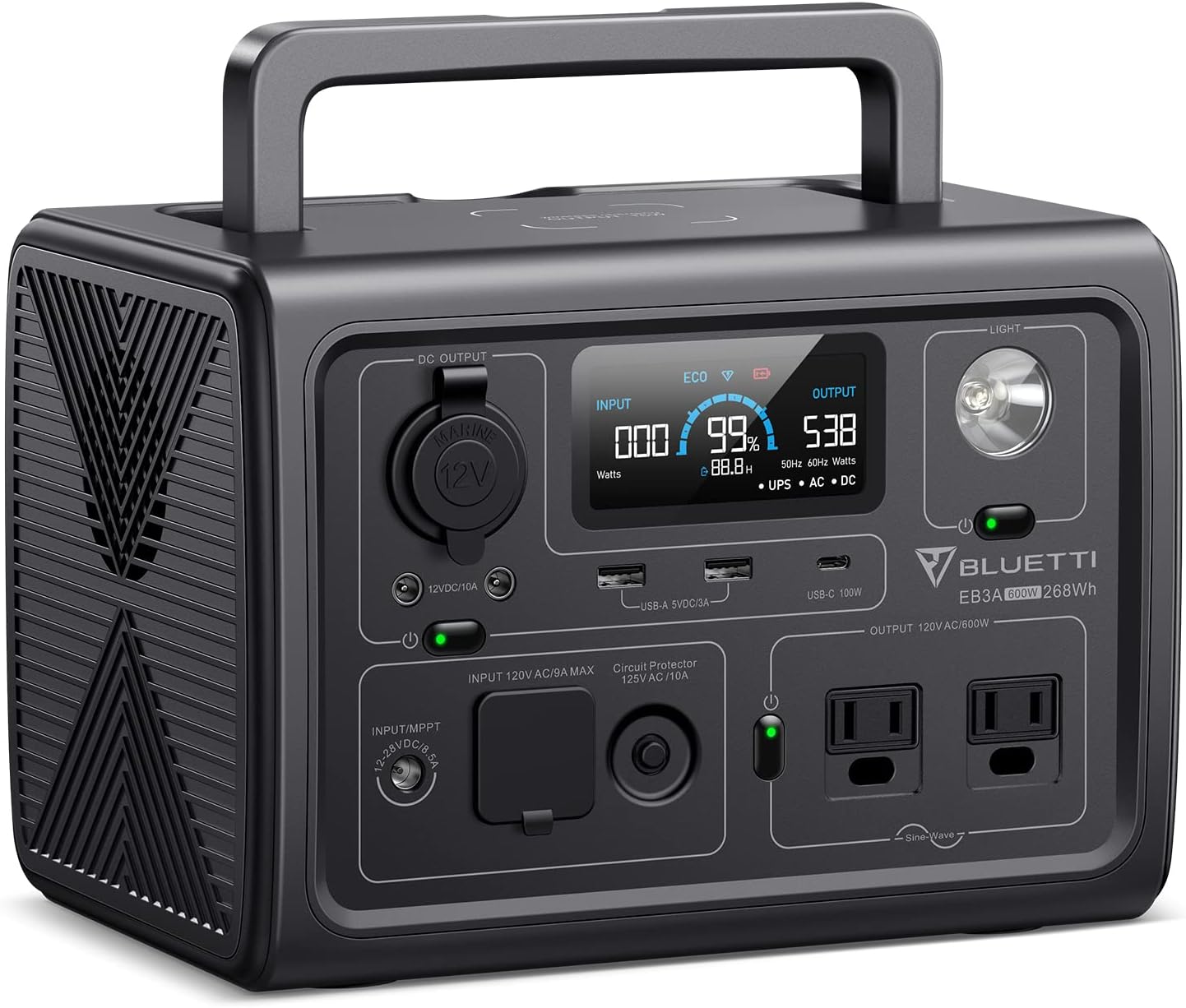 | |
| Jackery Explorer 240 | 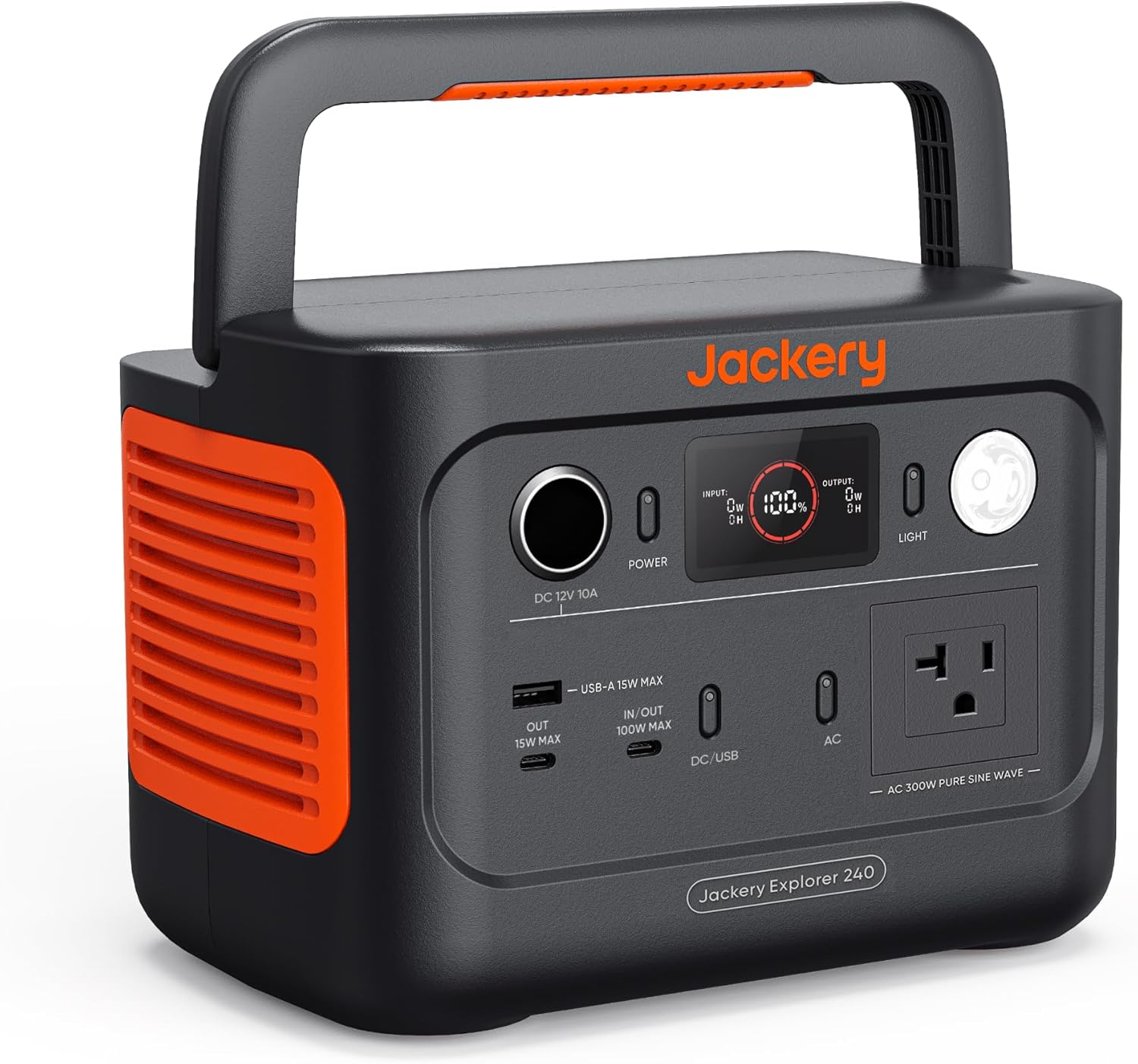 | |
| Anker 521 PowerHouse | 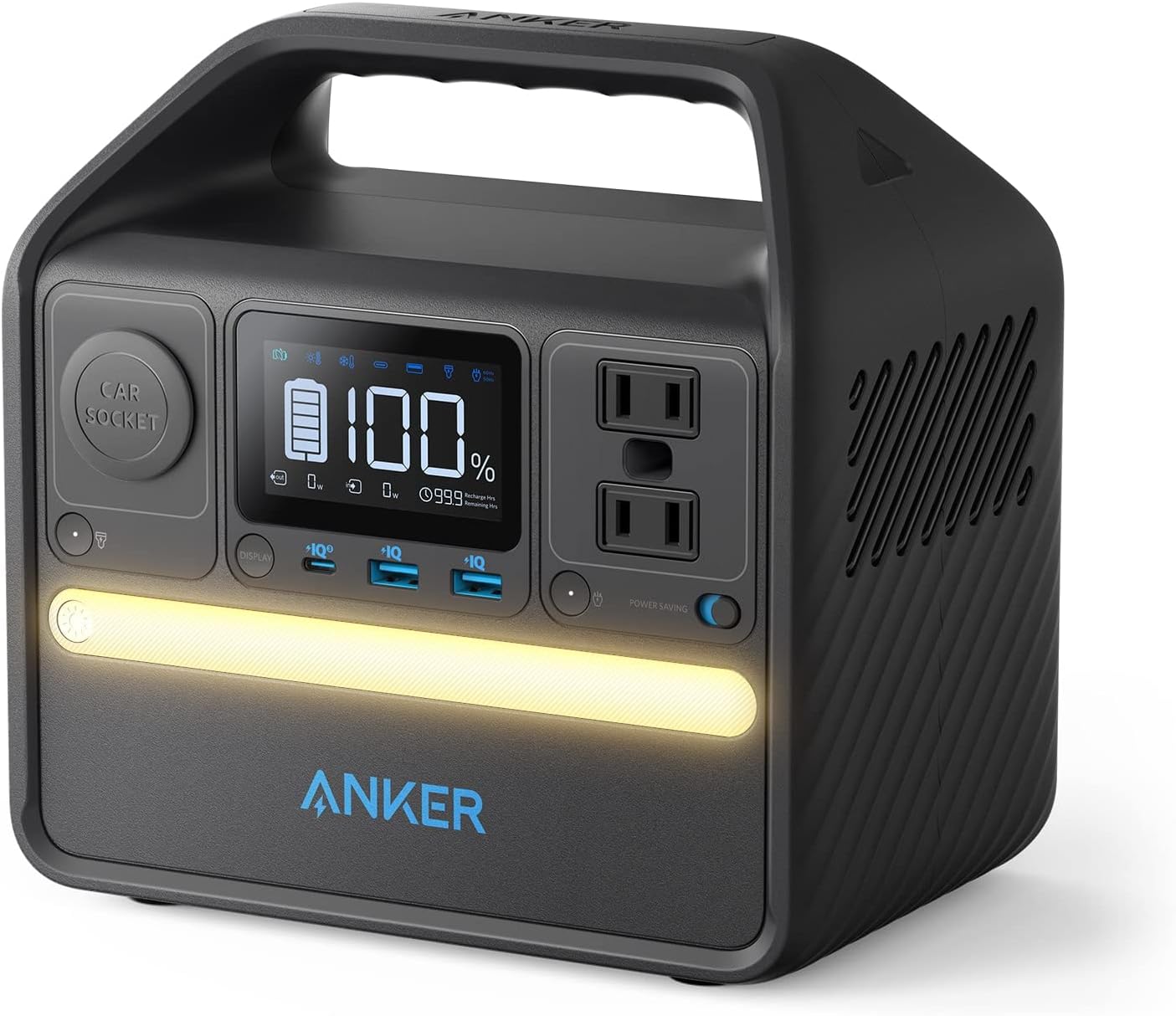 | |
| EcoFlow River 2 | 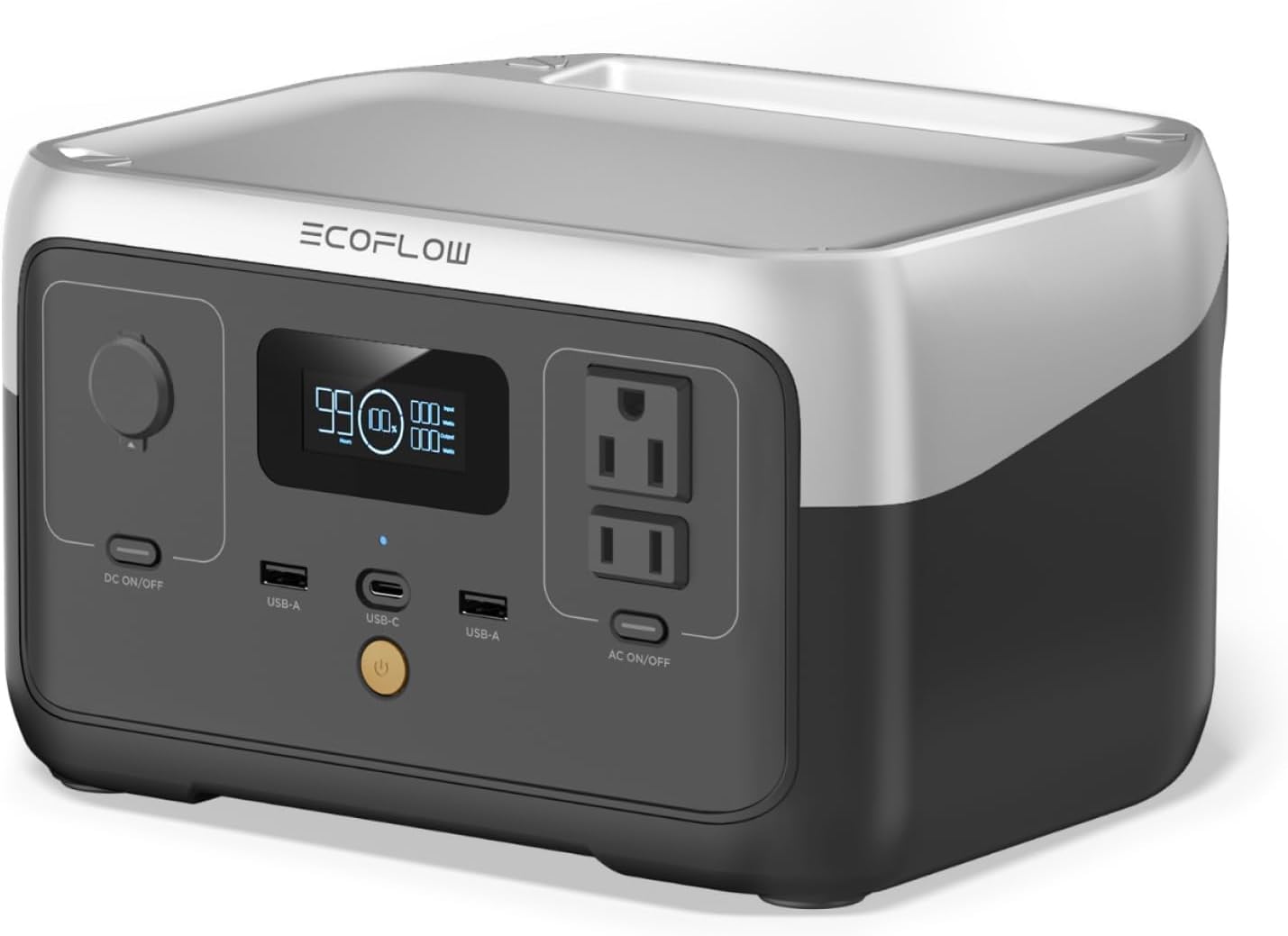 |
Contents
1. BLUETTI EB3A – 268Wh, 600W Inverter (Often on sale ~$199)
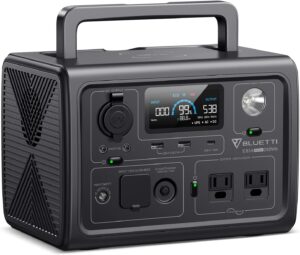

The BLUETTI EB3A is a bit of a game-changer in this price segment. With 268Wh capacity and a 600W pure sine wave inverter, it punches well above what $200 used to get you. It uses LiFePO4 batteries (good for ~2,500+ cycles) and has advanced features: – Fast Charging: Can recharge from 0 to 80% in about 40 minutes AC, which is incredibly fast. – App Connectivity: Unusual at this price, but EB3A can connect to Bluetti app via Bluetooth for monitoring. – UPS Mode: It can function as a mini-UPS (20ms switch, suitable for PCs/routers). – Multiple Ports: 2 AC outlets, 1 USB-C 100W (can fast charge laptops), USB-As, 12V car port.
At around $239 list, it often goes on sale near $200. Its big draw is that 600W inverter – you could run a small coffee maker or toaster briefly, or a larger appliance for short spurts (keeping within 268Wh). You won’t find that high an output in most under $200 units.
Use case: Great for running a laptop + monitor, Wi-Fi, some lights in a power outage. It could even run a small mini fridge (draw ~60W) for several hours to keep drinks cold. With solar input up to 200W supported, it’s a very capable little “solar generator” base.
2. Jackery Explorer 240 – 240Wh, 200W Inverter (Typically $199)
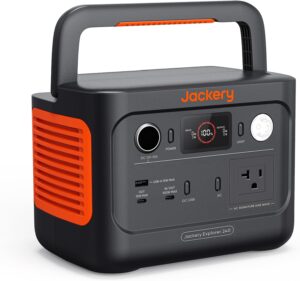

Jackery is a well-known brand in portables. The Explorer 240 has been a popular entry-level unit: – 240Wh NMC battery, rated ~500 cycles. – 200W pure sine inverter (400W surge). Good for fans, LED TVs, charging drill batteries, etc. But not for heavy surges. – 4 outputs: 1 AC outlet, 2 USB-A, 1 car port. – Lightweight: ~6.6 lbs and has a nice carry handle. Very portable.
What you get with Jackery is robust build and a reliable track record. It doesn’t have USB-C PD, and it lacks some bells like UPS or app, but it’s a straightforward, easy-to-use unit. For under $200, it’s great for camping and basic backup.
For example, it can power a CPAP machine (with no heated humidifier) through the night, as users often report ~8 hours on a 240Wh with around 10% left. It’s been like an “old faithful” in the category for a few years.
3. Anker 521 PowerHouse – 256Wh, 200W Inverter (Often $199)
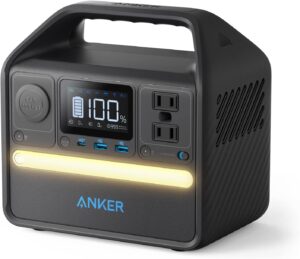

The Anker 521 PowerHouse (also called PowerHouse 256Wh or Anker PowerHouse II 300 by some) is another strong contender: – 256Wh LiFePO4 battery (yes, LFP at this price, boasting ~3000 cycles life). – 200W AC inverter (320W surge) pure sine. – 60W USB-C PD port, 2 USB-A, car socket, and 2 AC outlets. – LED Display with input/output and time-to-empty estimates.
Anker is known for quality charging products, and they brought that to this power station. The LFP and high cycle life is a big plus, meaning it’ll last many years. The 60W USB-C means you can fast-charge modern laptops or phones without even using AC inverter (more efficient).
It also has a lamp on the side, useful for camping. And it’s about 8.2 lbs – still quite portable.
4. EcoFlow River 2 – 256Wh, 300W Inverter (Approx $229, sometimes dips near $200)
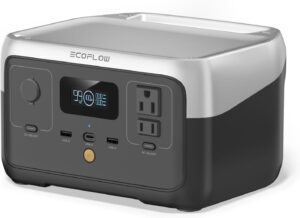

I’ll mention EcoFlow River 2 because it’s just above $200 normally, but with coupons it has dipped around $199. It offers: – 256Wh LiFePO4 (3000 cycle life). – 300W inverter (surge 600W) – can handle more devices and has EcoFlow’s X-Boost mode which can power some devices up to 600W by lowering voltage (for devices that don’t mind, like heating elements – though use carefully). – Super fast charging: ~1 hour to full on AC. – App control & UPS feature (switches in <30ms). – Very compact and lightweight (~7.7 lbs).
The River 2 is very feature-rich for the price. If it’s slightly above $200 it’s still worth a look because of its capabilities. It could run, say, a small blender (250W) or a projector + speakers for outdoor movie night easily. The quick recharging is handy for daily use; you can top it up in a break.
Other honorable mentions:
- Rockpals 300W (280Wh) – usually around $199. Has 280Wh and 300W inverter. Not LFP, but decent capacity. Good port selection.
- ALLPOWERS S300 (288Wh) – around $199 often. 300W output, LiFePO4, has wireless charging pad on top for phones.
- FlashFish 300W (222Wh) – a budget pick (~$160). 222Wh and 300W mod. sine inverter. Less advanced but more capacity than tiny ones.
Each has pros/cons, but they all fall in that 200-300Wh, 200-300W output niche.
What all these under $200 picks share: – They can charge laptops, run LED lights, fans, routers, etc., for many hours. – They can power small appliances like mini fridges or projectors for a few hours (maybe half a day for fridge if intermittent, especially if solar recharging). – They are small enough to toss in a car trunk and carry to a campsite.
What they won’t do: – Power large appliances (microwaves, hair dryers, full-size refrigerators). – Run heavy power tools or AC units. – Provide whole-house backup (they’re for essentials only).
But for someone on a budget who wants a capable power station, these give a lot more wiggle room than the <100Wh units. The inclusion of LiFePO4 in some means you’re getting high-end battery tech at an affordable price, which is great for lifespan.
Value tip: If you can wait for seasonal sales (Prime Day, Black Friday, etc.), units like Bluetti EB3A, Anker 521, EcoFlow River series often see price drops or bundles (like including a solar panel) that maximize value.
At under $200, you often get the best bang-for-buck in terms of dollars per Wh while still maintaining quality. It’s a sweet spot where you aren’t paying for massive capacity you might not need, but you also aren’t so constrained as the sub-$100 mini units.
In short, any of the above picks will serve you well for portable power needs on a budget. You can keep your phones and laptops charged through outages, light up your campsite, or have a handy source of power in your truck for tools like tire inflators or coolers. These affordable picks prove you don’t need to spend a fortune to get reliable portable energy.