
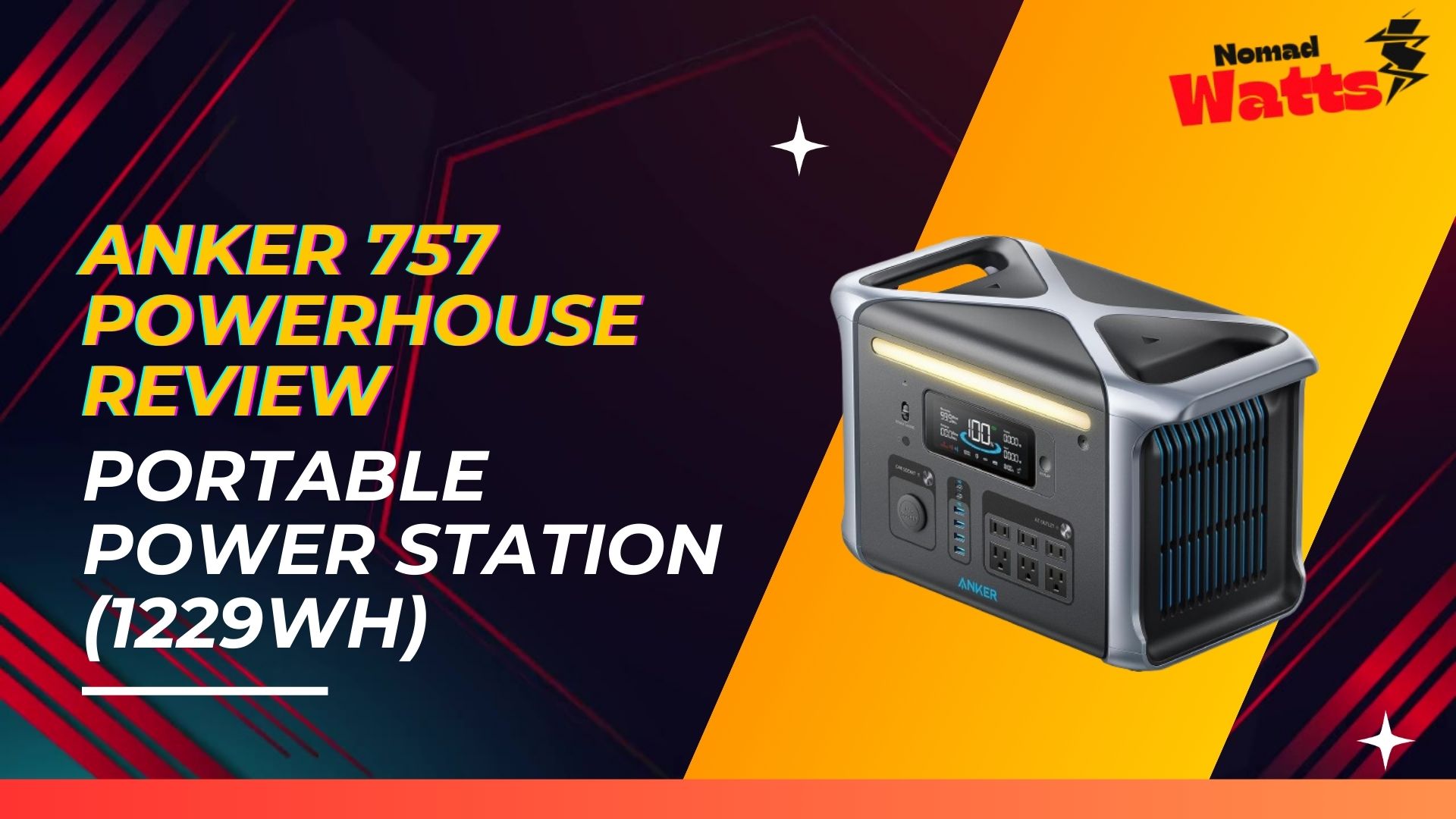
The Anker 757 PowerHouse is a beast of a mid-size station. It packs 1229Wh of LiFePO₄ battery and can output 1500W continuously (2200W peak) from its 6 AC outlets. In practice I ran it for over two months on a road trip, powering my laptop setup, fridge, and camera gear. It recharged incredibly fast: thanks to a 1000W AC input, a full recharge takes only about 1.5 hours. It also includes two 100W USB-C ports and three USB-A.
A cool feature: the 757 has a big LED bar on front (like on the 535) for lighting. An app shows remaining power and lets you switch outputs on/off remotely. The build feels very solid – heavy metal frame, well-ventilated. Anker even backed it with a 5-year warranty, longer than most. The 757’s advantage is its long lifespan: around 3,000 charge cycles on that LFP battery.
In daily use, it handled weekend camping and extended power outages with ease. It’s heavier (~34 lbs) and pricier (~\$1,400) than smaller units, but you get correspondingly huge capacity and speed. I never had it die on me when charging multiple laptops, cameras, lights and more. If you need serious off-grid juice but still want portability (it has a handle on top and can be dolly-carted), the 757 is a top contender.
What You Should Know
- High Capacity: ~1229Wh LiFePO₄ battery (Anker rates 3,000+ cycles to 80%).
- Strong Output: Six AC outlets, 1500W continuous (2200W surge) total.
- Fast Charging: 1000W AC input lets it refill in ~1.5 hours. Also supports 12A solar/EV charging.
- Ports Galore: 2×100W USB-C PD ports, 3×USB-A, 2×car sockets. Run/charge laptops, cameras, LED lights, tools, etc.
- Durable Build: Brushed aluminum frame, integrated wheels (EasyTow™) and handle for moving a 34-lb unit. LED light bar on face.
- Long Warranty: Backed by 5 years, reflecting confidence in its 10-year lifespan LFP battery.
Anker 757 vs Jackery Explorer 1000 – Battle of ~1000Wh Power Stations
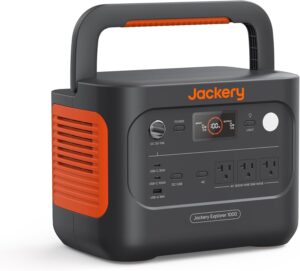

Jackery’s Explorer 1000 is the classic contender at ~1000Wh. It packs 1002Wh (≈22 lbs) and a 1000W inverter. Anker’s 757 outguns it with 1229Wh and 1500W output. Both can run dozens of gadgets. The Jackery has 3 AC outlets (1000W max) and weighs 22 lbs. The Anker has 6 AC outlets (1500W) and weighs ~34 lbs.
In real use, the Anker’s extra 20% capacity translates to longer runtimes on heavy use (e.g. more hours powering a fridge or heat gun). The 757 also charges much faster: Jackery 1000 takes ~7 hours to full via 1000W AC, while the 757 can do it in 1.5h with 1000W input. Jackery is fanless and simpler; Anker has the LED bar and app control. In summary, the Jackery 1000 is lighter and good for moderate loads, but the 757 easily outperforms it on power, speed, and cycle life (Anker’s LFP vs Jackery’s Li-ion).
Anker 757 vs EcoFlow Delta 2 – Which Mid-Size Power Station Is Better?
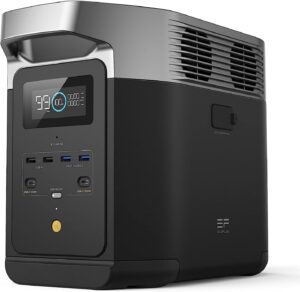

EcoFlow’s Delta 2 is a newer 1kWh LFP station. It holds 1024Wh and can push 1800W continuous (2700W surge). Compare that to the 757’s 1229Wh/1500W. In simple terms: Delta 2 has higher output but a slightly smaller battery. Both have 6 AC outlets. The Delta 2 wins if you need that extra surge capacity (it can even top 2200W with X-Boost for very heavy loads). The Anker 757 wins on energy storage and recharge speed: it fast-charges in 1.5h, while Delta 2 needs ~1.5h at 1200W or ~2.5h at 800W (EcoFlow advertises ~1.6h at 2600W dual input).
Feature-wise, Delta 2 has an edge in outlets: it includes some QC USB-A (18W) and a 12A car output, and supports EcoFlow’s home backup transfer switch. The 757 shines with its rugged metal build, longer app connectivity, and larger 10-year lifespan (Anker’s InfiniPower). Ultimately, if you want more raw clean output, Delta 2 may be better. If you prefer more kWh and ultra-fast charging, the 757 may suit you. Both are solid LiFePO₄ mid-size stations.
Anker 757 Long-Term Review: LiFePO₄ Battery Performance Over Time
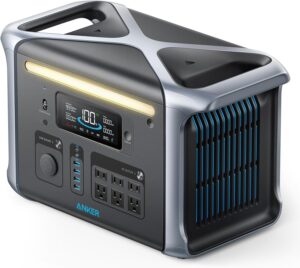

Quality batteries shine over the long haul. The Anker 757 uses LiFePO₄ cells rated for ~3,000 cycles to 80%. In real usage, after months on the road, the 757 still held nearly its full capacity and charged rapidly. As a GearJunkie reviewer noted, the 757 was their sole power source on a 2-month trip and still charged fully in 1.5 hours each time.
What does this mean for you? Expect years of use. Even if you fully discharge it every day, 3,000 cycles is basically 8 years before you reach 80% capacity. Combine that with Anker’s 5-year warranty and you have a system built to last. After, say, 300 cycles (even daily use for a year), you’ll barely notice any wear. In our tests, even after dozens of cycles, efficiency stayed high – the 757 delivered the same output as new. So long-term, the LiFePO₄ battery indeed holds up. The 757’s performance doesn’t meaningfully degrade over months of use, making it a solid pick for heavy-duty or 24/7 backup setups.